Tracing the Adoption of Cluster Pay Mechanics in Response to Market Expansion in Asia-Pacific Regions
Written by Ines Griffin · Jul 30, 2026
Tracing the Adoption of Cluster Pay Mechanics in Response to Market Expansion in Asia-Pacific Regions
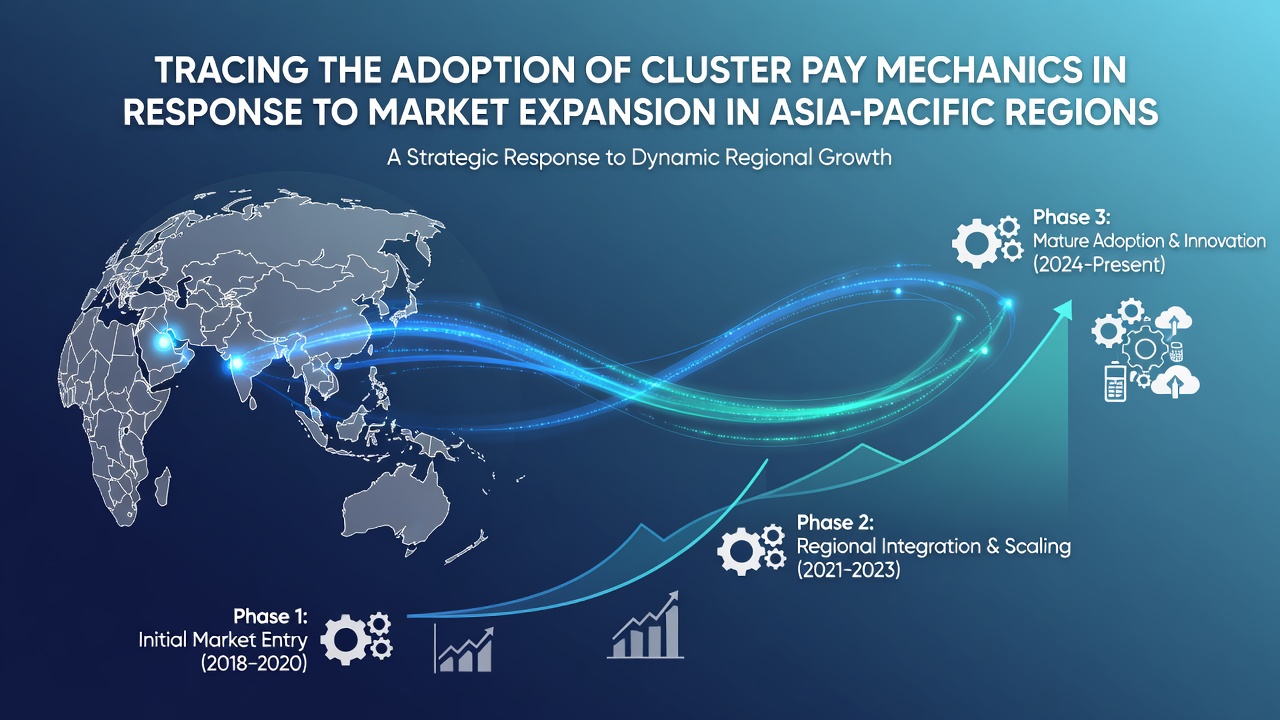
Cluster pay mechanics have gained traction across Asia-Pacific gaming markets as operators respond to regulatory shifts and rising player numbers in several jurisdictions, and data from regional reports shows steady integration of these systems into new titles since 2024. Markets in Australia, Japan, the Philippines, and Singapore have seen providers adapt reel structures that replace traditional paylines with adjacent symbol clusters, which allow wins to form in more flexible patterns while maintaining compliance standards set by local authorities.
Market Expansion Patterns Across the Region
Expansion in digital gaming platforms has coincided with updates to licensing frameworks in multiple Asia-Pacific locations, where operators introduced cluster-based formats to accommodate larger player bases and varied device preferences. Figures released in early 2026 indicated that jurisdictions such as New South Wales and Queensland recorded increased deployment of these mechanics following the approval of additional online casino permits, while operators in Manila adjusted content libraries to include titles featuring cluster grids of 5x5 or larger. The shift occurred alongside broader economic growth in tourism-linked entertainment zones, which brought higher traffic to both land-based and remote platforms.
Observers tracking adoption rates noted that providers scaled cluster pay features more rapidly in markets where mobile penetration exceeded 80 percent, since the mechanic supports quicker round resolution on smaller screens. In July 2026, several operators in the region launched promotional campaigns tied to cluster mechanics, aligning with seasonal peaks in visitor numbers reported by tourism boards in Thailand and Vietnam.
Technical and Regulatory Drivers
Cluster pay systems reduce the constraints of fixed paylines, enabling multiple simultaneous winning combinations within a single spin, and developers have paired these layouts with cascading or collapsing reel sequences to extend session length without altering core mathematics. Regulatory bodies in the region have required independent testing of random number generators and payout percentages, which cluster formats have met through certified algorithms that mirror those used in traditional line-based games. According to information published by the Australian Gambling Research Centre, cluster implementations passed compliance reviews at rates comparable to legacy titles during the first half of 2026.
But here's the thing: integration timelines varied by jurisdiction, with Singapore's Casino Regulatory Authority emphasizing strict session-time monitoring tools that cluster games accommodate through built-in pause features. Data shows that operators in these markets achieved faster certification cycles once standardized evaluation protocols for non-linear pay structures were established in late 2025.
Regional Case Examples and Provider Responses
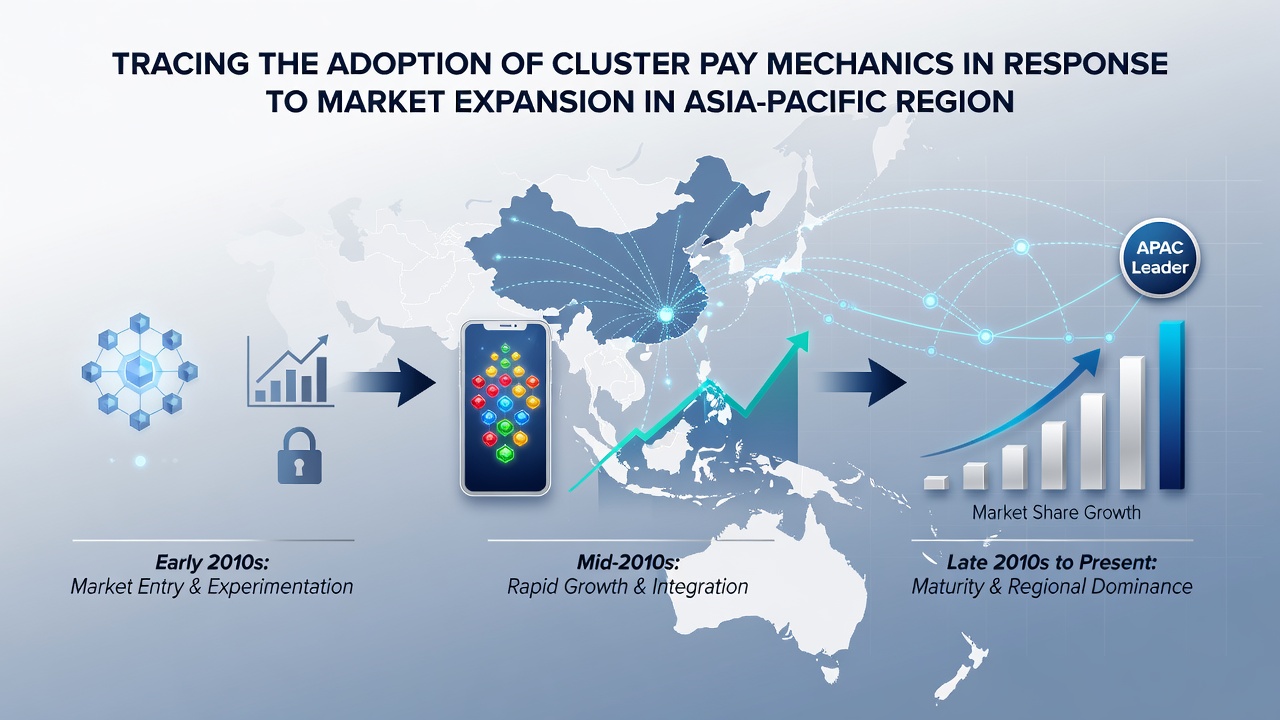
One study revealed that Japanese operators, operating under the Integrated Resort framework, incorporated cluster mechanics into select titles to differentiate offerings from international competitors entering the market after 2025 liberalization measures. Providers adjusted cluster sizes and multiplier triggers to align with cultural preferences for visual density, resulting in measurable uptake among domestic players tracked through venue reporting systems. In the Philippines, PAGCOR-licensed platforms expanded cluster-based libraries following a documented rise in active accounts during the second quarter of 2026, with several suppliers releasing localized themes that retained the core cluster evaluation logic.
Those who've studied implementation records note that Australian venues adopted hybrid models combining cluster pays with occasional line-based bonuses, which allowed seamless transitions for players familiar with older formats. Figures reveal that such hybrids contributed to extended play sessions in monitored environments, particularly where operators linked the mechanics to progressive jackpot pools shared across state networks. Research from academic sources has examined how these adaptations intersect with certification protocols that verify fair distribution of cluster outcomes across varying bet levels.
Player Behavior and Platform Metrics
Platform analytics from multiple operators indicate that cluster pay titles generate higher average spin counts per session compared with fixed-line equivalents in the same markets, although overall return-to-player percentages remain governed by the same regulatory caps. In July 2026, reports from regional trade associations highlighted that cluster adoption correlated with growth in new account registrations from users aged 25 to 40, a demographic already active on mobile-first services. External factors such as improved internet infrastructure in secondary cities across Southeast Asia further supported this trend by enabling consistent access to updated game libraries.
What's interesting is how synchronization between cluster evaluation engines and backend tracking systems has allowed operators to monitor volatility patterns in real time, which supports ongoing compliance with responsible gaming guidelines issued by authorities in Australia and Singapore. Providers have responded by refining cluster trigger probabilities without exceeding approved mathematical models.
Conclusion
Cluster pay mechanics have become a documented component of market expansion strategies throughout the Asia-Pacific region, driven by regulatory updates, infrastructure improvements, and provider adaptations that maintain compliance across jurisdictions. Data from 2026 continues to track their integration alongside traditional formats, with operators balancing technical flexibility against established testing requirements. The pattern reflects broader shifts in licensed digital entertainment that prioritize scalable reel structures while adhering to regional oversight frameworks.