Tracing Seasonal Mechanics in Limited-Time Casino Releases and Their Effect on Exploration Patterns
Written by Elena Hoffmann · May 30, 2026
Tracing Seasonal Mechanics in Limited-Time Casino Releases and Their Effect on Exploration Patterns
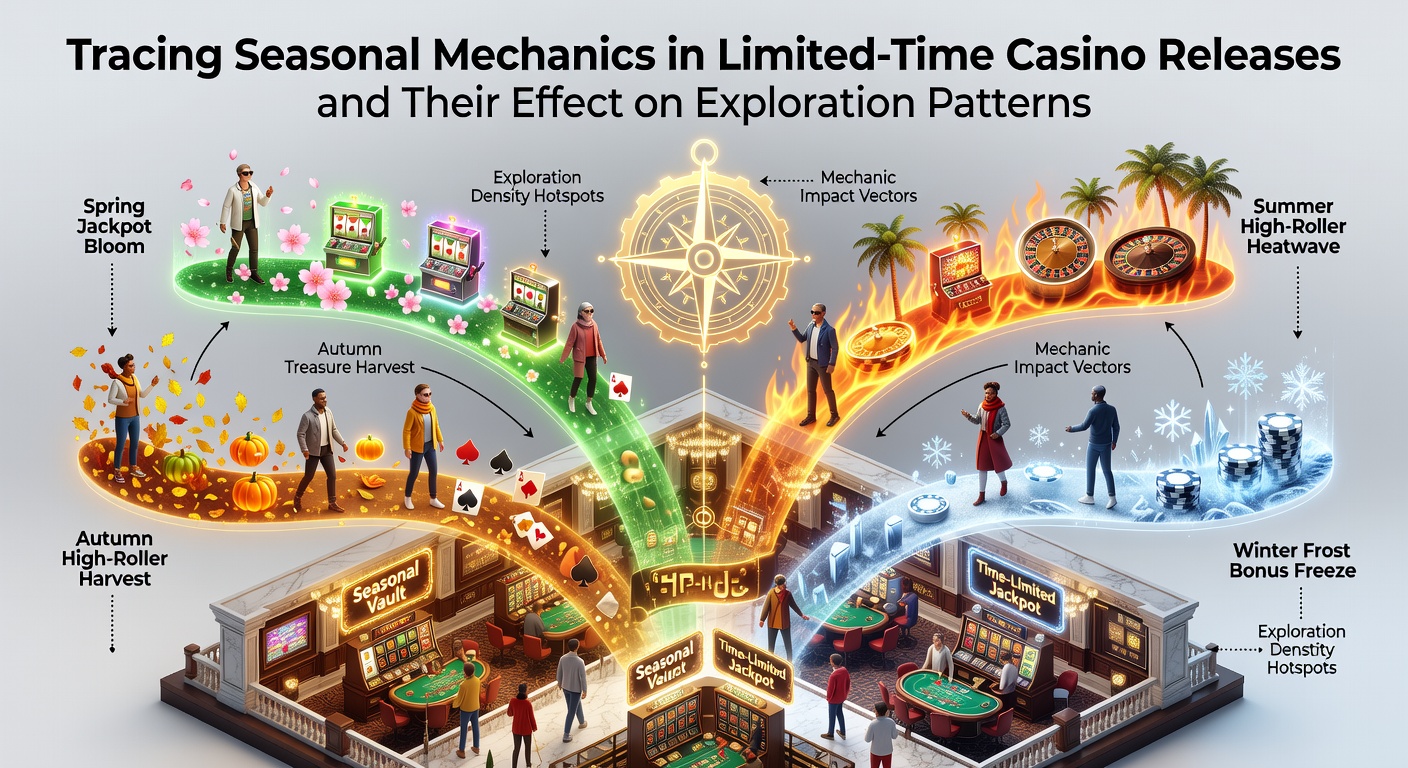
Seasonal mechanics appear in limited-time casino releases through features that tie directly to calendar events, such as weather-based multipliers during spring promotions or harvest collection systems in autumn campaigns, and these elements shape how players move between different game libraries. Observers note that operators introduce these mechanics for fixed windows, often spanning four to eight weeks, which creates distinct cycles of availability that influence exploration beyond standard catalog browsing.
Mechanics Tied to Calendar Cycles
Data from industry tracking services indicates that limited-time releases incorporate mechanics like progressive event meters or region-specific bonus triggers that reset or expire when the season ends, and this structure encourages players to sample titles they might otherwise skip. Researchers at academic institutions have documented patterns where users shift focus toward these temporary options during peak periods, such as transitions from spring events into summer launches scheduled around May 2026, because the mechanics offer unique reward structures unavailable in permanent releases.
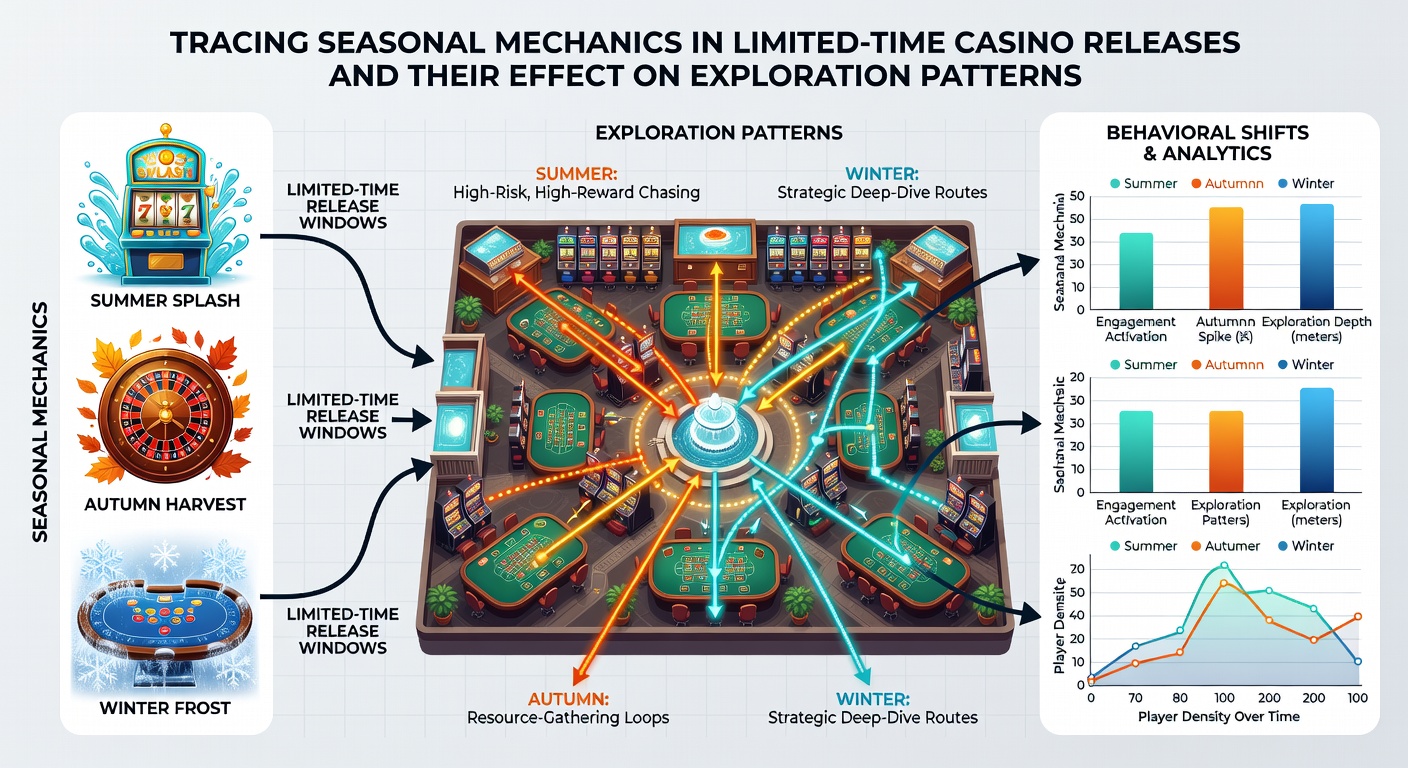
Those who monitor player navigation logs find that engagement with seasonal mechanics often begins through targeted promotions that highlight new reel configurations or symbol interactions, and this initial exposure leads to broader testing of similar features in non-seasonal games once the limited window closes. Figures from regulatory reports in regions like Australia reveal consistent spikes in title variety during these campaigns, showing players explore an average of three additional mechanics per session when seasonal elements are active.
Patterns of Player Movement Across Titles
Exploration patterns change when limited-time releases dominate promotional calendars because players follow mechanic familiarity rather than fixed game preferences, moving from one seasonal title to another as new events roll out. Studies conducted by European research bodies demonstrate that this movement increases cross-category sampling, where individuals who start with slot-based seasonal bonuses later investigate table game variants that adopt parallel event structures during the same period.
What's notable is how these patterns extend beyond single sessions, with tracking data indicating sustained interest in mechanic types for up to six weeks after a seasonal campaign ends, as users seek permanent titles that replicate elements like timed collection phases or environmental modifiers. In May 2026 operators across multiple markets are aligning summer releases with these established cycles, which further reinforces the cycle of discovery as players anticipate mechanic refreshes tied to upcoming holidays.
Data on Exploration Shifts
Reports compiled by the Nevada Gaming Control Board track session-level data that shows seasonal mechanics drive higher rates of title switching within individual accounts, particularly when bonus structures differ from standard offerings by incorporating time-sensitive layers. This shift appears most pronounced during shoulder seasons when fewer permanent releases compete for attention, allowing limited-time options to guide discovery toward experimental reel layouts and feature combinations.
Analyses from Canadian research centers confirm that players exposed to seasonal mechanics expand their regular rotation by incorporating games with related systems, such as adapting to variable reel expansions first encountered in winter events and then applying that knowledge during later summer campaigns. These findings emerge from aggregated anonymized logs rather than individual case studies, yet they consistently point to measurable increases in mechanic diversity per account over seasonal quarters.
Operator Strategies and Release Timing
Operators coordinate release schedules with external calendars to maximize mechanic novelty, releasing titles that layer seasonal effects onto core engines already familiar to segments of the player base, and this approach reduces entry barriers while still prompting exploration of new combinations. Data compiled through industry associations illustrates that staggered launches across May and June periods in 2026 follow patterns observed in prior years, where early summer events build on spring mechanics to maintain continuity in player movement.
Those reviewing platform analytics observe that limited-time availability creates urgency around feature testing, leading users to prioritize games with seasonal components over established favorites during the active window, after which exploration patterns stabilize around retained mechanic preferences. Regulatory data from additional jurisdictions supports the observation that these cycles repeat annually with minor variations in mechanic emphasis based on regional event calendars.
Conclusion
Seasonal mechanics in limited-time casino releases establish recurring frameworks that direct player exploration toward specific feature types, with documented effects visible in navigation data and session variety metrics. As operators prepare cycles around May 2026 and beyond, the connection between temporary availability and expanded mechanic sampling continues to shape how users interact with broader game libraries.