The Interplay Between Mathematical Probability and Thematic Elements in Slot Development Processes
Written by Viktor Günther · Aug 15, 2026
The Interplay Between Mathematical Probability and Thematic Elements in Slot Development Processes
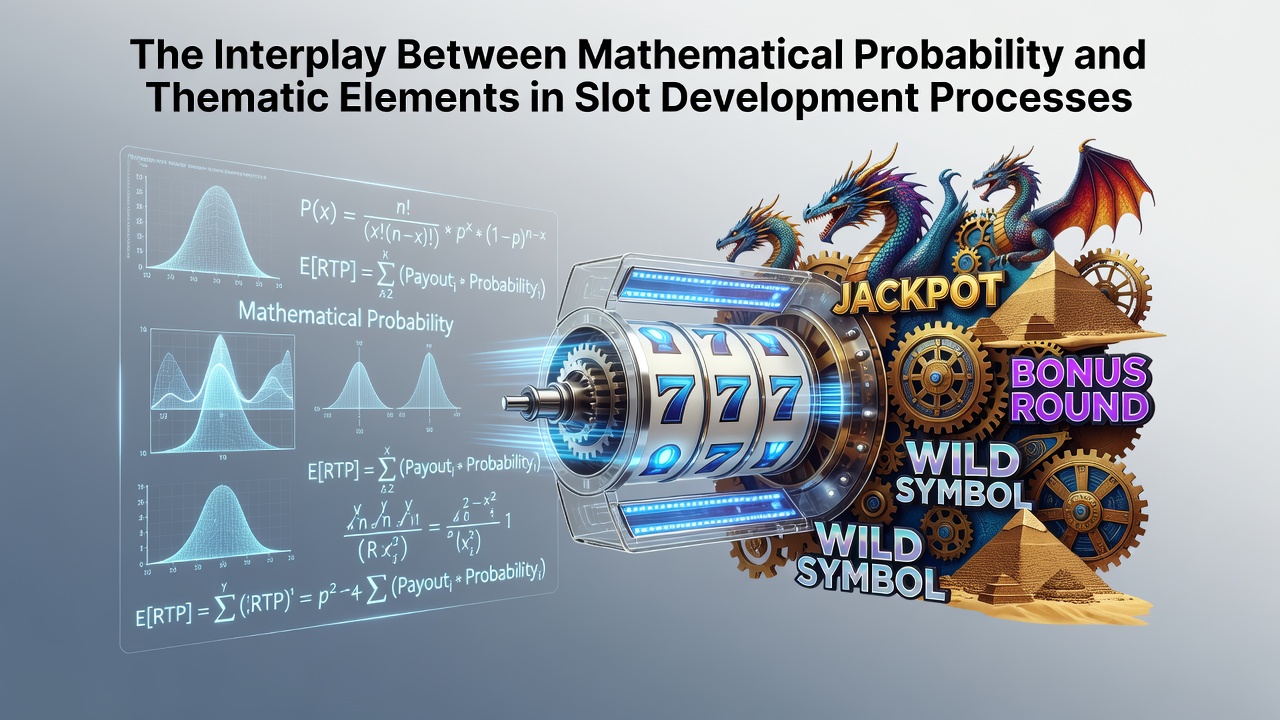
Slot development teams coordinate random number generator outputs with narrative frameworks so that mathematical structures support thematic consistency across reel layouts and bonus sequences. Regulatory data from bodies such as the Nevada Gaming Control Board shows that certified titles maintain return-to-player percentages between 92 and 98 percent while embedding symbols that advance storylines without altering core probability distributions.
Random Number Generation as Foundation
Every spin outcome derives from algorithms tested against millions of simulated cycles before certification bodies approve deployment, and developers map these probabilities onto visual elements that fit chosen themes. A treasure-hunt motif might assign higher hit frequencies to map fragments yet keep overall payout ratios fixed through weighted reel strips, whereas an adventure theme could distribute rare events across multiple stages to sustain tension without shifting the underlying math model.
Symbol Weighting and Narrative Fit
Designers assign reel positions to thematic icons according to calculated frequencies, ensuring that scatter or wild appearances align with plot milestones rather than appearing randomly. In August 2026 industry briefings, analysts noted that studios using synchronized weighting systems reported steadier engagement metrics across global markets because players encountered story-relevant symbols at intervals supported by the probability engine. This approach prevents visual clutter while preserving the integrity of independent spin results.
Bonus Round Architecture
Progressive features often embed layered probability tables that activate only after specific symbol combinations appear, and these tables must correspond to the theme's internal logic. A fantasy setting might trigger a dragon battle through successive multiplier stages, each governed by separate random draws that maintain aggregate return rates. Observers note that such constructions allow extended play sessions because the narrative progression mirrors the statistical unfolding of events.

Volatility curves receive similar treatment when teams calibrate risk levels to match thematic pacing, with low-volatility grids supporting steady small wins in relaxed storylines and high-volatility grids reserved for dramatic reveals. Research from the University of Nevada Reno gaming studies program indicates that calibrated volatility improves session length when paired with consistent visual feedback loops.
Regulatory Compliance and Design Constraints
Certification protocols require independent testing laboratories to verify that thematic modifications do not compromise randomness, and developers submit detailed mapping documents that demonstrate equivalence between base and themed configurations. Canadian provincial regulators, including those in Ontario, have published guidelines emphasizing that all reel strips must undergo entropy analysis regardless of artistic overlays. This requirement forces studios to document every symbol placement against its probability weight before market release.
Cross-regional data exchanges further illustrate how probability frameworks travel across jurisdictions while themes adapt locally, yet the mathematical backbone remains unchanged. Teams working on titles released in multiple territories reuse core RNG seeds and simply swap icon sets, preserving certified payout percentages while meeting cultural expectations through visual redesign.
Conclusion
Mathematical probability supplies the structural limits within which thematic elements operate, and successful slot titles demonstrate that these two domains can reinforce each other when developers treat symbol placement as an extension of probability tables. Reports issued through 2026 confirm that integrated approaches continue to dominate new releases because they satisfy both regulatory scrutiny and player expectations for coherent experiences.