Regional Regulations Shaping Cluster-Pay Adoption Patterns Across International Reel Platforms
Written by Viktor Günther · Jul 11, 2026
Regional Regulations Shaping Cluster-Pay Adoption Patterns Across International Reel Platforms
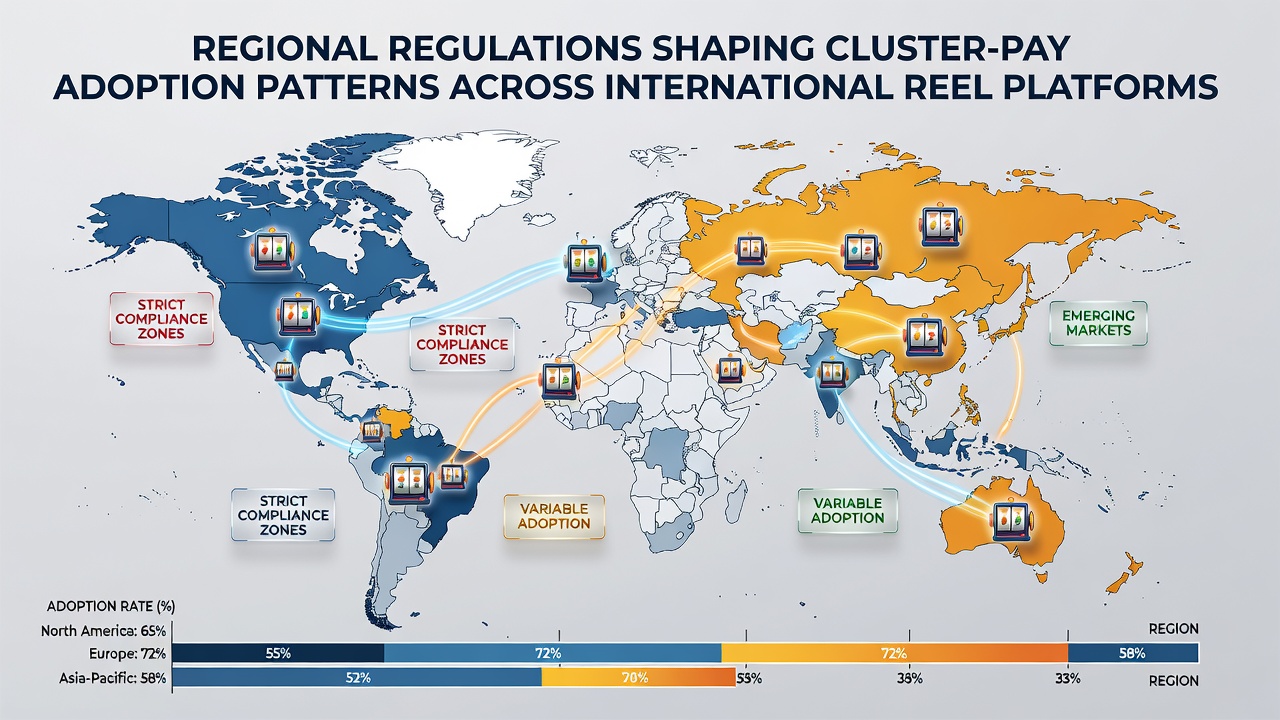
Cluster-pay mechanics have gained traction in reel platforms worldwide because they replace fixed paylines with symbol groups that form winning combinations in adjacent patterns, yet regulatory environments determine how quickly these features receive approval and reach players in licensed markets. Data from industry reports indicate that certification processes in various jurisdictions evaluate payout transparency and random number generator integrity before operators can deploy cluster-based titles, and this scrutiny often extends approval timelines compared to traditional line-based games.
European Markets and Certification Protocols
European regulators emphasize detailed testing for complex reel mechanics, with authorities in Malta and Sweden requiring operators to submit extensive documentation on how cluster formations calculate outcomes across variable grid sizes. Observers note that these requirements have encouraged providers to standardize cluster sizes and payout tables early in development, which in turn accelerates compliance reviews once games reach the submission stage. Research indicates that platforms operating under the Malta Gaming Authority have seen steady cluster-pay releases since 2024, as the authority's framework allows for modular testing of individual features rather than full re-certification for minor adjustments.
Sweden's Spelinspektionen has introduced guidelines that tie game approval to responsible gaming metrics, including session time indicators triggered by cluster formations, and data shows operators have adapted by integrating optional pause features into cluster titles to meet these standards. In July 2026, updates to these guidelines prompted several platforms to revise their cluster mechanics documentation, resulting in faster turnaround for titles that already incorporated session management tools during initial design.
North American Approaches to Game Approval
State-level regulators in the United States apply distinct criteria when reviewing cluster-pay games for online and retail platforms. The New Jersey Division of Gaming Enforcement and the Nevada Gaming Control Board both require independent laboratory verification of cluster payout algorithms, and this process has led providers to develop region-specific versions of the same base game to satisfy varying documentation demands. Figures from regulatory filings reveal that cluster-pay adoption in New Jersey igaming markets increased following streamlined testing protocols introduced in late 2025, while other states continue to process submissions on a case-by-case basis that can extend several months.
Canadian provincial regulators, including those in Ontario, have aligned their review procedures with international standards for reel mechanics, and this alignment has supported broader deployment of cluster-pay titles across licensed sites. Reports from the Ontario Lottery and Gaming Corporation highlight how standardized RNG testing has reduced duplication in the approval workflow, allowing operators to launch games that already cleared similar evaluations in European markets.
Asia-Pacific Regulatory Influences
Australian state regulators maintain strict oversight of reel game mechanics through the Australian Communications and Media Authority framework, and this has resulted in selective adoption of cluster-pay formats that demonstrate clear mathematical fairness across multiple cluster configurations. Platforms licensed in New South Wales and Victoria have incorporated cluster titles at a measured pace because regulators require additional simulations showing outcome distribution across different bet levels and grid expansions. In July 2026, several operators submitted updated cluster-pay games that incorporated enhanced audit trails, reflecting ongoing dialogue between providers and regulators about transparency requirements.
Asian markets present a mixed picture, with Singapore's regulatory body emphasizing controlled rollout of new mechanics while Japan's gaming authorities focus on land-based integration before expanding to digital platforms. Data compiled by regional industry associations show that cluster-pay adoption remains limited in these jurisdictions largely because approval pathways prioritize games with established payout histories over newer formation-based systems.
Cross-Border Platform Strategies
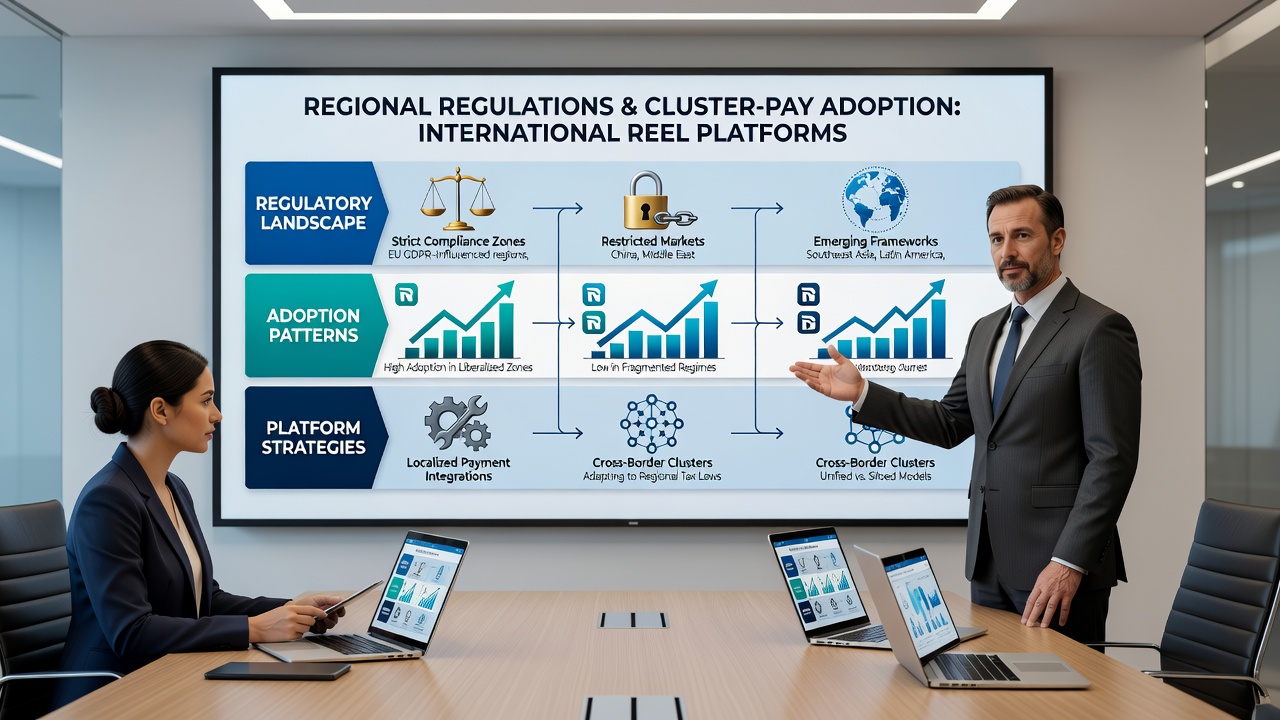
Operators managing multi-jurisdictional reel platforms often maintain separate game libraries tailored to each regulatory environment, and this segmentation allows cluster-pay titles to appear in markets where certification has already occurred while remaining unavailable in stricter regions. Research from the European Gaming and Betting Association indicates that such segmentation has become standard practice, with providers using geo-fencing technology to deliver compliant versions based on player location and license status.
Certification bodies in different regions increasingly recognize each other's testing results for core RNG components, which has shortened timelines for cluster-pay games that reuse verified elements across borders. This mutual recognition trend has supported gradual expansion of cluster mechanics into additional markets during 2026, particularly where regulators accept prior laboratory reports without requiring full re-evaluation.
Conclusion
Regional regulations continue to define the pace and scope of cluster-pay adoption on international reel platforms through certification standards, responsible gaming requirements, and approval workflows that vary by jurisdiction. Providers respond by adapting game design and documentation to meet these diverse criteria, resulting in staggered release patterns across Europe, North America, and Asia-Pacific markets. As regulatory frameworks evolve, the availability of cluster-pay titles will likely reflect ongoing alignment efforts between authorities and the technical capabilities of modern reel systems.