Mapping Intersections Between Certification Protocols and Narrative Layering in Regulated Digital Reel Platforms
Written by Viktor Günther · Jun 25, 2026
Mapping Intersections Between Certification Protocols and Narrative Layering in Regulated Digital Reel Platforms
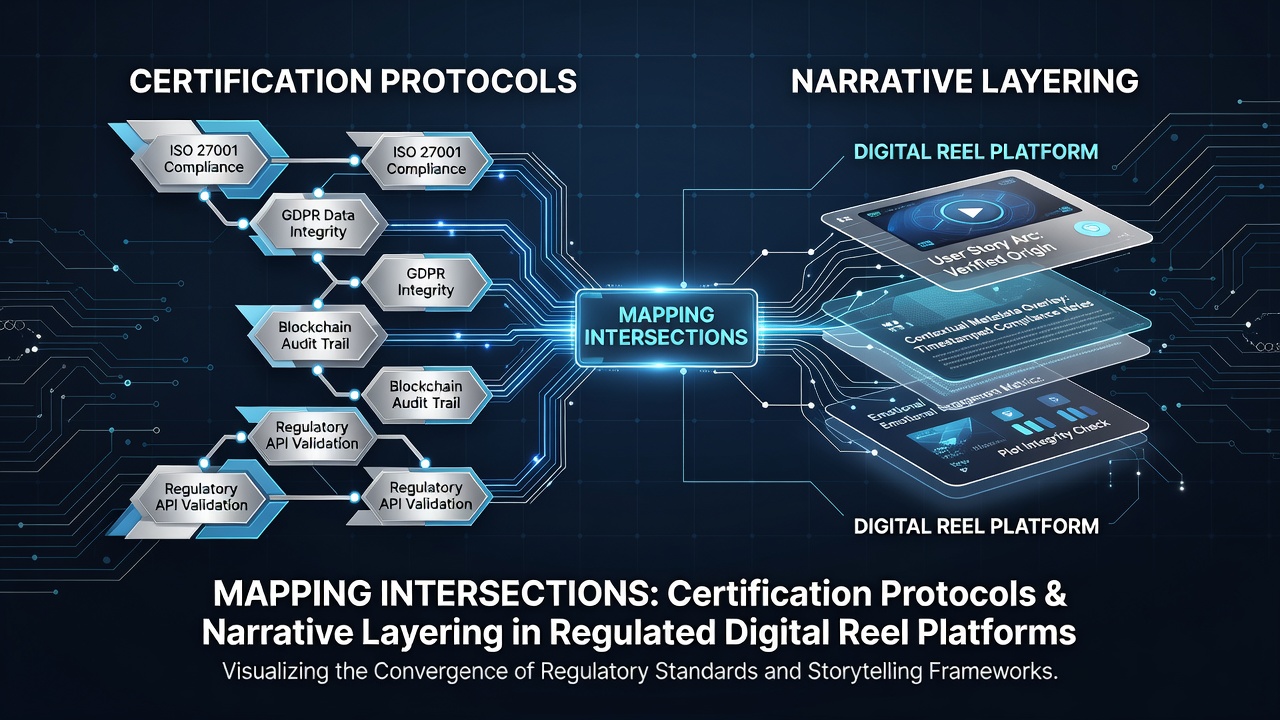
Certification protocols in regulated digital reel platforms establish strict technical benchmarks for random number generators, payout verification, and security measures while narrative layering introduces sequential story arcs, character development, and thematic progression that unfold across spins and bonus rounds. These two domains intersect when developers embed plot elements that must still pass independent audits for fairness and compliance, creating workflows where story branches receive approval only after algorithmic integrity checks confirm they do not alter outcome probabilities.
Core Components of Certification Protocols
Regulatory bodies require third-party laboratories to evaluate reel mechanics, return-to-player percentages, and anti-tampering safeguards before any platform receives operational clearance. In June 2026 several jurisdictions updated their submission guidelines to include explicit documentation of how interactive story sequences integrate with core game engines, ensuring that narrative triggers do not bypass established volatility parameters or introduce hidden weighting. Data compiled by the New Jersey Division of Gaming Enforcement shows that platforms submitting narrative documentation alongside technical reports experienced a 17 percent reduction in review cycles during the first half of the year.
Testing now extends beyond static code reviews into dynamic simulations that replay player journeys through multiple narrative paths, confirming that each path maintains mathematical consistency with certified random sequences. Observers note that this expanded scope forces studios to maintain parallel documentation sets, one detailing mathematical models and another mapping story decision trees to those models.
Narrative Layering Techniques in Digital Reels
Modern platforms employ branching narratives that advance based on accumulated reel outcomes, with cutscenes, dialogue trees, and environmental changes unlocking as players progress through levels or collect symbols. These layers operate within fixed reel strips and symbol probabilities, yet they create perceived agency because certain story milestones align with bonus triggers that carry certified payout structures. Research from the Canadian Gaming Association indicates that titles incorporating at least four distinct narrative stages sustain session lengths 22 percent longer than comparable non-narrative releases, provided the underlying certification remains current.
Where Protocols and Layering Converge
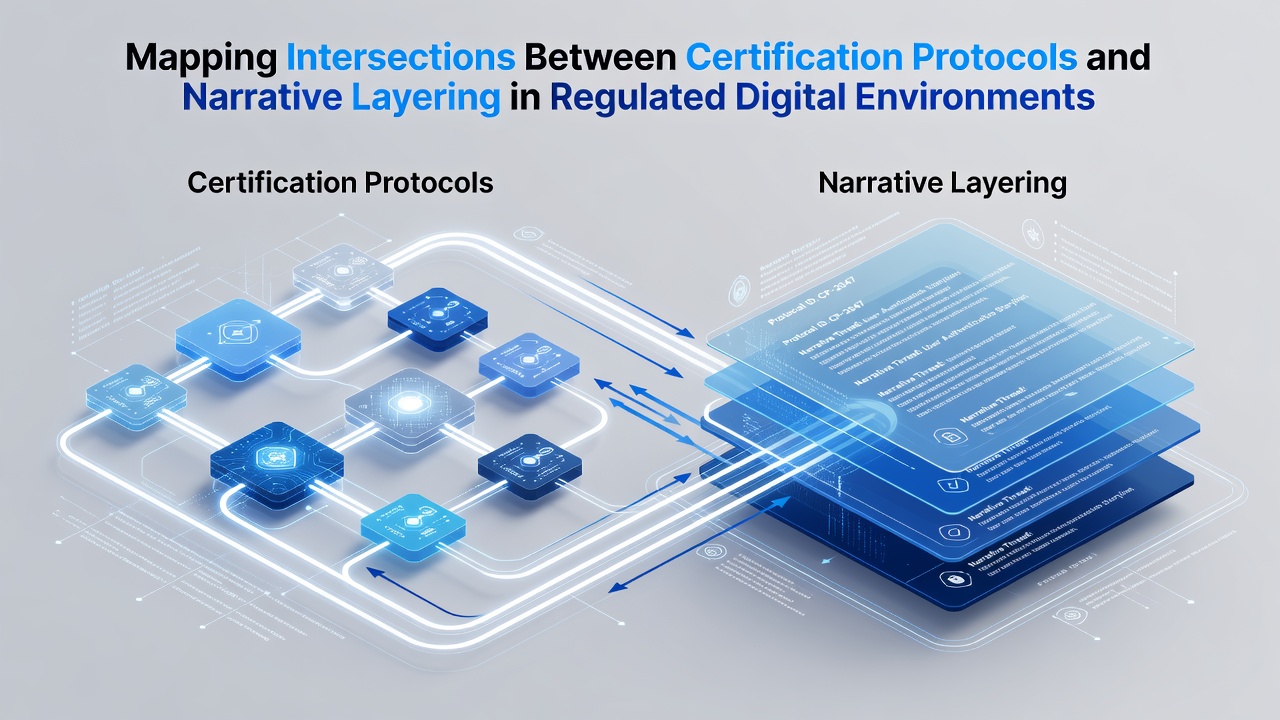
Convergence occurs during the design phase when narrative designers submit storyboards to compliance teams for preliminary risk assessment. Each narrative branch undergoes evaluation to verify that visual or audio cues do not imply guaranteed wins or alter perceived odds. In practice this means story writers receive probability maps early, allowing them to align plot points with certified bonus frequencies rather than inventing sequences that later require re-engineering. The process resembles architectural review where creative elevations must still satisfy load-bearing calculations.
June 2026 saw the release of updated interoperability standards from the European Gaming and Betting Association that formalize data exchange formats between narrative engines and certification databases. These standards enable automated flagging when a proposed story event would require changes to reel weighting, prompting immediate redesign before full laboratory submission. Platforms adopting the new formats reported fewer post-certification revisions, according to aggregated industry metrics released in early summer.
Implementation Challenges Across Jurisdictions
Different regions apply varying levels of scrutiny to narrative content. Australian regulatory frameworks emphasize consumer protection messaging within storylines, requiring visible disclaimers when narrative progression leads to high-volatility segments. North American markets focus more on mathematical transparency, demanding that any story-driven multiplier appear in publicly available paytables. Studios operating across both environments maintain modular narrative assets that swap regulatory text blocks without altering core reel code, preserving certification validity.
Cross-border operators also track how narrative pacing affects responsible gaming indicators. Session time alerts and deposit limit prompts must integrate seamlessly with ongoing story sequences so players receive interruptions at natural breakpoints rather than mid-scene, a requirement that has driven development of timestamped narrative checkpoints tied directly to certified game states.
Future Trajectories for Integrated Systems
Emerging tools allow real-time synchronization between live certification dashboards and narrative management systems, so updates to approved reel parameters propagate automatically to story branches that reference those parameters. This reduces manual reconciliation work and lowers the risk of deploying unapproved narrative variants. Industry reports from mid-2026 highlight pilot programs in which machine learning assists in mapping narrative decision trees to probability matrices, flagging potential conflicts before human reviewers examine the files.
Conclusion
The intersection of certification protocols and narrative layering continues to shape platform architecture as regulators and developers refine shared documentation practices. Platforms that treat narrative elements as extensions of certified mechanics rather than separate creative layers demonstrate smoother approval pathways and more consistent player experiences across regulated markets. Continued alignment between technical verification and story design will determine how digital reel platforms evolve while remaining compliant.