How Licensing Partnerships Drive Custom Reel Configuration Experiments Across Studio Portfolios
Written by Amir Wagner · Jun 29, 2026
How Licensing Partnerships Drive Custom Reel Configuration Experiments Across Studio Portfolios
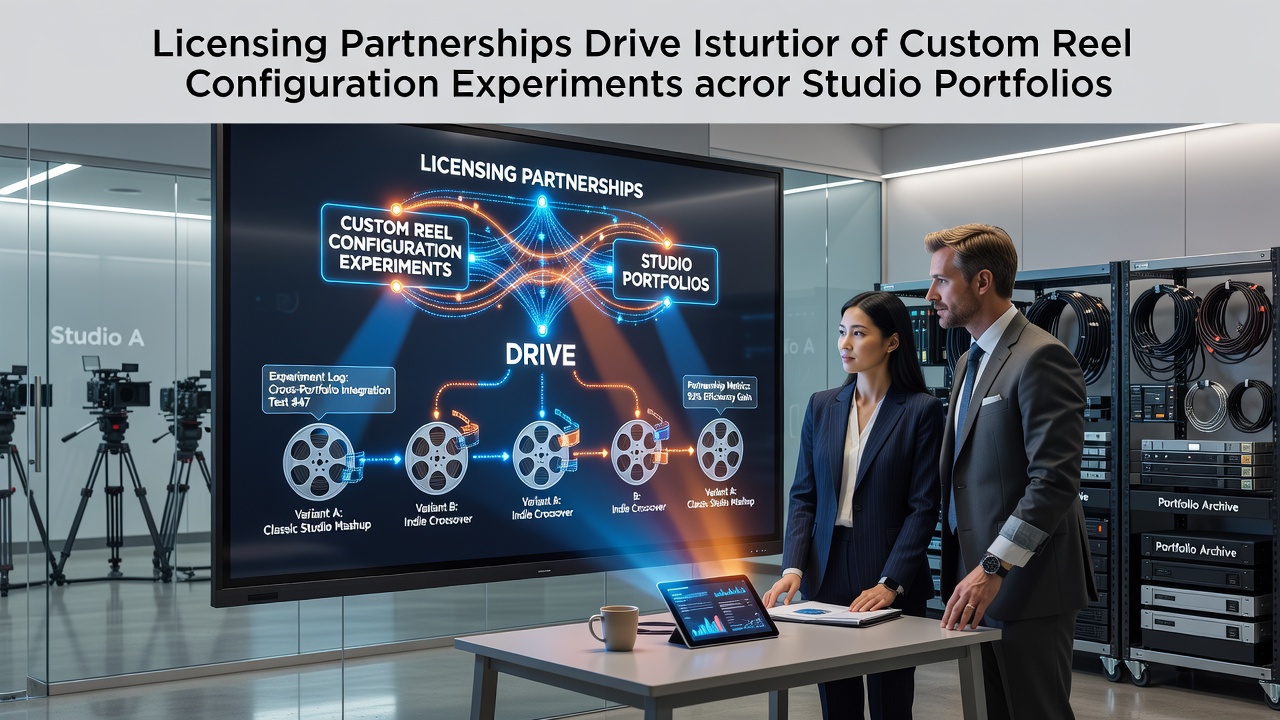
Studio portfolios expand when licensing agreements introduce new themes and mechanics that require tailored reel setups, and observers note this pattern has accelerated through 2026 as multiple providers integrate branded content with experimental configurations.
Partnerships between game developers and intellectual property holders create opportunities for studios to test reel arrangements that deviate from standard grids, while data from industry reports shows these collaborations often lead to hybrid layouts combining classic three-reel structures with five-reel bonus layers.
Partnership Models Fueling Reel Customization
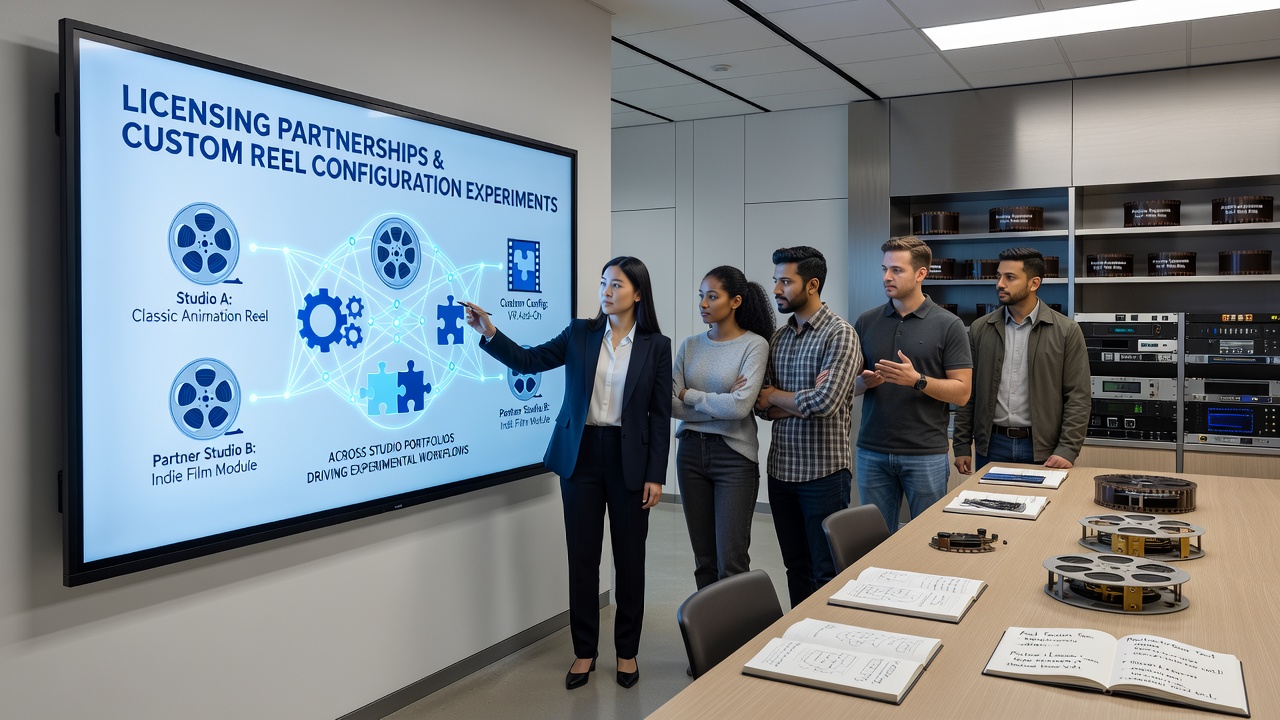
Licensing deals typically specify visual assets and narrative elements, yet the technical implementation falls to studio engineers who adjust reel strips, symbol frequencies, and payline paths to match the licensed material, and this division of responsibilities encourages experimentation because each partner brings distinct priorities to the table.
One common approach involves co-development clauses where the licensor gains input on feature triggers, prompting studios to modify reel configurations so that certain symbols appear only during narrative milestones, whereas another model grants studios broader freedom in exchange for revenue sharing percentages that scale with player engagement metrics.
Technical Experiments Across Multiple Providers
Custom reel work surfaces in several forms, including variable reel heights that expand during specific game phases and staggered symbol stacks that align with licensed character progressions, and these modifications appear across both established and emerging studio portfolios because licensing contracts often include clauses for iterative testing phases.
Researchers tracking deployment patterns report that studios with multiple licensing agreements tend to maintain separate development tracks for each partnership, allowing parallel experiments where one title tests cascading reel sequences tied to story beats while another explores fixed-symbol clusters that reward thematic consistency.
June 2026 saw several providers launch integrated reel updates that combined licensed properties with refined configuration tools, and those updates demonstrated how shared certification protocols across jurisdictions streamline the approval process for non-standard reel designs.
Regulatory and Certification Influences
Certification bodies in various regions require documentation of reel behavior under different random number generator seeds, which pushes studios to build modular configuration systems that can accommodate licensing-driven changes without full re-certification cycles, and this technical requirement has become a shared standard across North American and European markets.
According to figures released by the American Gaming Association, revenue from licensed slot content grew steadily through the first half of 2026, with custom reel features contributing to longer average session durations in regulated markets.
Canadian provincial regulators similarly track symbol distribution data in licensed games, creating feedback loops that inform how studios refine reel weighting for future partnerships, while Australian oversight bodies emphasize transparency in bonus-trigger probabilities that often depend on unique reel arrangements.
Portfolio-Wide Effects and Cross-Studio Patterns
When a single studio manages several licensed portfolios, reel configuration experiments frequently migrate between projects because successful mechanical solutions get adapted to new themes, and this cross-pollination accelerates when partnership contracts include shared technology platforms.
Those who have examined deployment timelines note that studios with centralized reel engines can deploy custom configurations faster, reducing the time from contract signing to market release and enabling more frequent testing of experimental layouts such as asymmetric reel sets or dynamic payline adjustments.
Conclusion
Licensing partnerships continue to shape how studios approach reel configuration, with each agreement introducing constraints and possibilities that drive technical adjustments across entire portfolios, and ongoing integration trends observed in mid-2026 indicate these experiments will persist as providers seek differentiated offerings within competitive markets.