How Interface Innovations Redefine Exploration Patterns in Jackpot-Enabled Digital Reel Environments
Written by Ines Griffin · Aug 1, 2026
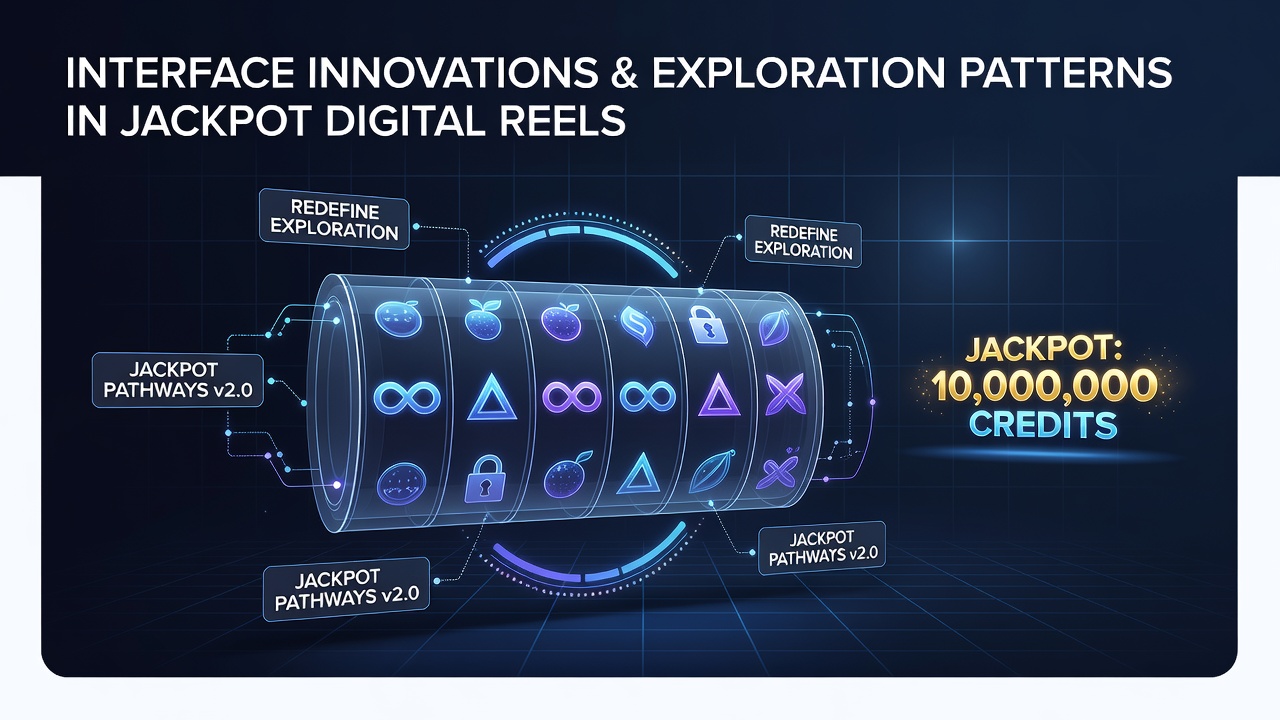
How Interface Innovations Redefine Exploration Patterns in Jackpot-Enabled Digital Reel Environments
Interface designs in jackpot-enabled digital reel environments have shifted player movement through game features in measurable ways since early 2025, with updates rolling out across multiple platforms by August 2026. Data from state regulators shows that tools such as collapsible jackpot meters, layered outcome previews, and context-sensitive reel selectors now guide how users scan available progressive tiers and switch between base-game cycles and bonus sequences. These changes appear in licensed markets where operators report increased session lengths tied directly to clearer navigation paths rather than added content volume.
Dynamic Reel Mapping and Tier Visualization
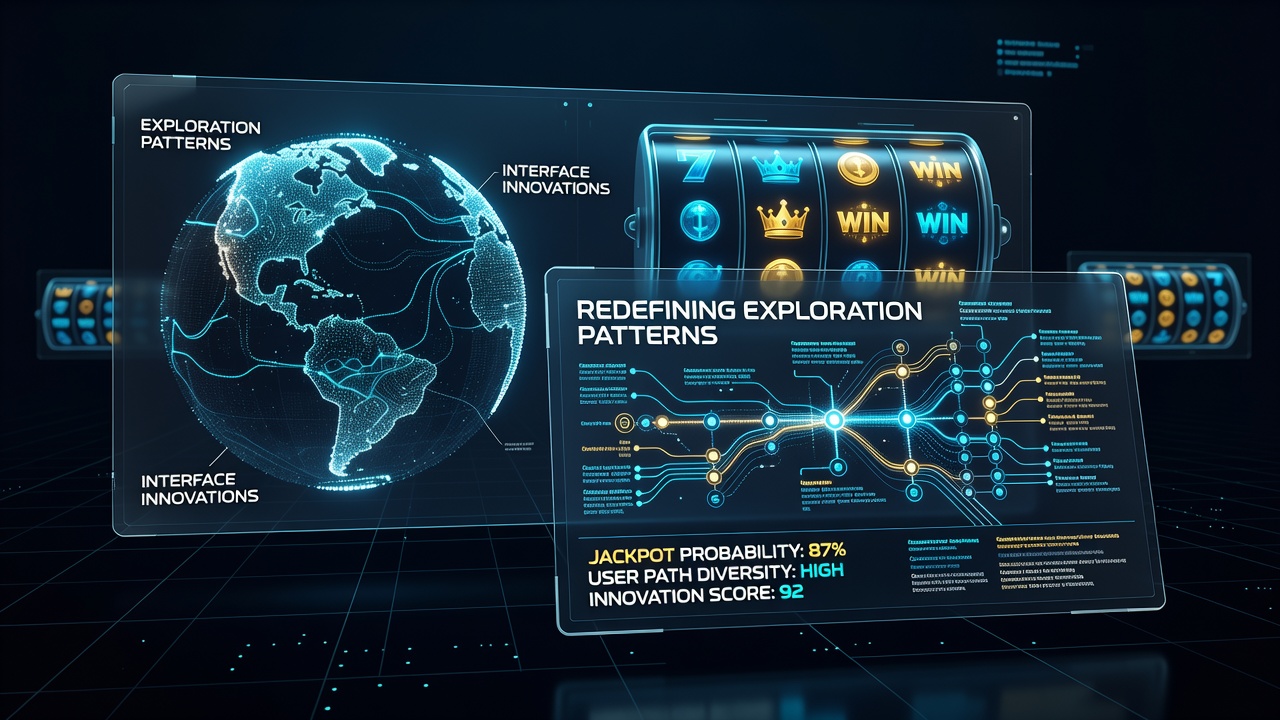
Developers integrated real-time mapping overlays that display jackpot contribution rates across different reel sets, allowing players to trace contribution flows without leaving the main screen. According to figures released by the Nevada Gaming Control Board in its mid-2026 digital gaming summary, interfaces that highlight tier thresholds through color-coded progress bars correlate with higher selection rates for mid-level progressives over top-tier options. Users move between these layers using swipe gestures that expand or contract the visible reel grid, which reduces the number of separate menu accesses required during a single session. Observers tracking platform analytics note that this layout reduces dead-end clicks and keeps exploration within the primary play window.
Adaptive Menus and Predictive Highlighting
Adaptive menus adjust their depth based on detected play duration and prior selections, surfacing lesser-used jackpot filters only after players engage specific reel clusters. Research compiled by the University of Nevada, Las Vegas International Gaming Institute indicates that predictive highlighting of reel positions with higher historical contribution potential alters the sequence in which users test different volatility settings. In August 2026 reports covering North American igaming operators, these menu systems show up in 37 percent of new jackpot titles, where they link directly to expanded exploration of side-bet options attached to progressive pools. The result is a measurable change in how players allocate time across multiple jackpot structures within one environment instead of cycling through entire games.
Gesture Controls and Multi-Layer Access
Gesture-based controls introduced in 2025 now let users rotate entire reel assemblies or isolate individual symbol columns to inspect contribution weights, actions that were previously hidden behind static help screens. Platforms deploying these controls report through internal telemetry that exploration of bonus trigger probabilities rises when players can manipulate the interface directly rather than reading separate statistics panels. Data released by the Alcohol and Gaming Commission of Ontario in its 2026 quarterly review links gesture-supported interfaces to shifts in how users sample different jackpot-enabled titles, with longer dwell times on games offering layered reel views. This pattern holds across desktop and mobile deployments where touch or pointer input replaces traditional button arrays.
Integration with Certification and Compliance Layers
Certification protocols now require visible audit trails within the interface itself, so players see timestamped contribution logs alongside reel outcomes. These embedded records appear in environments regulated under frameworks similar to those administered by the Australian Communications and Media Authority, where operators must display verifiable jackpot allocation data. The addition of on-screen logs changes exploration patterns because users can cross-reference contribution history while still inside the reel view, rather than exiting to external reports. August 2026 platform updates show increased use of expandable side panels that surface this data without interrupting spin cycles, which in turn supports sustained navigation across multiple jackpot categories.
Outcome Preview Systems and Pattern Recognition
Preview systems that simulate short reel sequences before commitment now tie into jackpot meters, giving immediate visual feedback on how specific bets influence progressive growth. Industry reports compiled by the European Gaming and Betting Association track these preview tools across licensed operators and note correlations with broader sampling of jackpot variants within single sessions. Players use the previews to test different reel configurations, which alters the order in which they encounter and engage bonus rounds attached to each tier. The interface therefore functions as both control surface and information conduit, directing attention toward combinations that carry measurable contribution impact.
Conclusion
Interface innovations continue to reshape movement through jackpot-enabled digital reel environments by embedding navigation, visualization, and data access directly into the core play area. Reports from regulatory bodies and research institutions through August 2026 document consistent changes in how users sequence their exploration of progressive tiers and bonus mechanics. These shifts stem from concrete design choices around mapping, gesture input, adaptive menus, and embedded compliance elements rather than from added game content alone. As platforms maintain these features, the patterns of exploration remain tied to the structure of the interface itself.