How Audio Layers and Animation Timing Coordinate to Trigger Hidden Features in Progressive Reel Titles
Written by Yara Zimmermann · May 28, 2026
How Audio Layers and Animation Timing Coordinate to Trigger Hidden Features in Progressive Reel Titles
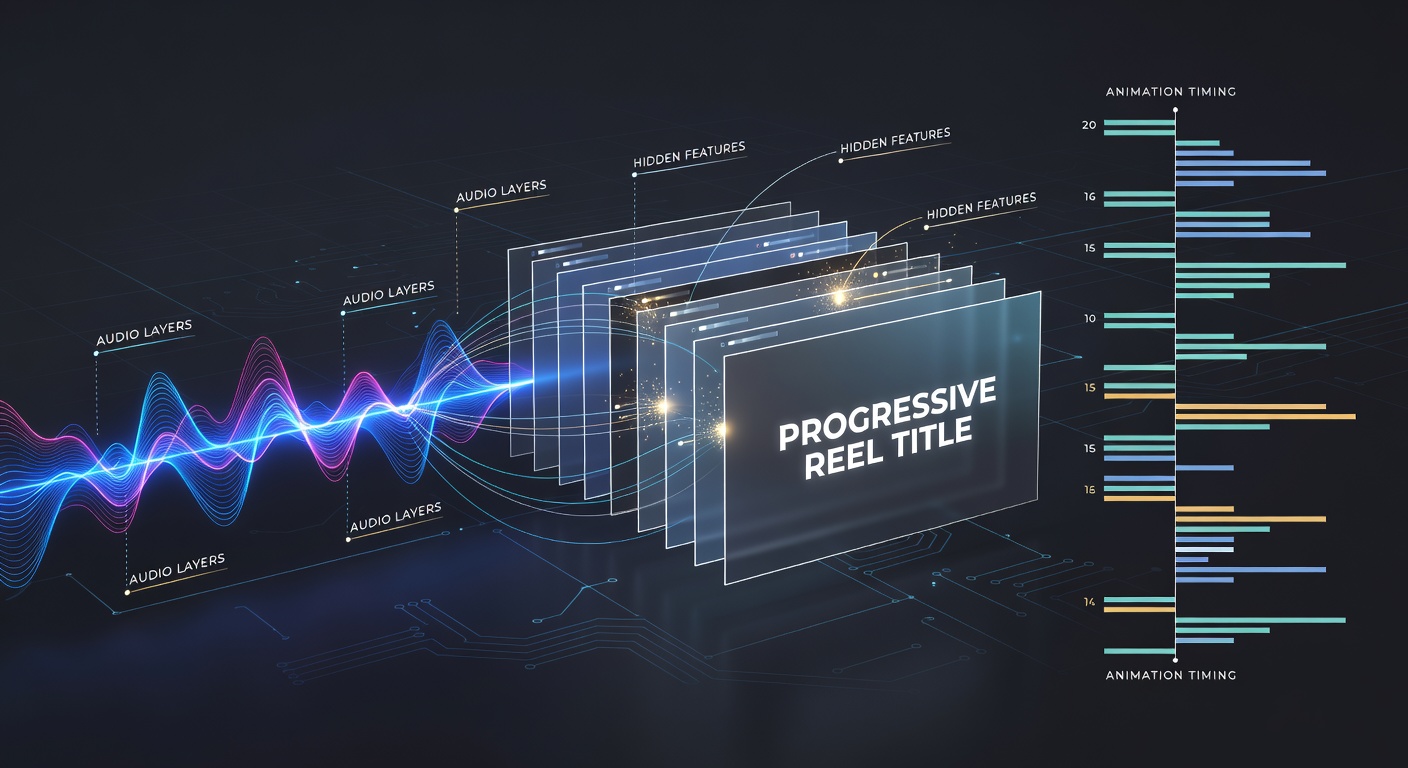
Progressive reel titles rely on precise coordination between multiple audio layers and frame-accurate animation sequences to unlock hidden features that remain inaccessible through standard reel spins alone. Developers build these systems so that specific combinations of sound elements and visual timing points activate bonus states, multiplier ladders, and progressive jackpot triggers without requiring separate menu navigation.
Audio Layer Construction in Modern Slot Engines
Sound design teams typically construct three to five concurrent audio layers that operate at different priority levels. The base layer carries continuous background music, while secondary layers introduce percussive hits and melodic motifs that intensify during reel acceleration. Tertiary layers contain short, high-frequency sound effects tied to individual symbol stops, and quaternary layers deliver low-frequency rumbles reserved for feature activation moments. Data from software certification labs shows that these layered arrangements allow the game engine to monitor amplitude peaks and frequency shifts in real time, creating detection windows that align with animation milestones on the reels.
Animation Timing Frameworks and Frame-Level Triggers
Animation pipelines in progressive titles operate on 60 frames-per-second timelines that embed invisible trigger markers at specific frame counts. When a reel reaches its final rotation phase, the engine checks whether an animation sequence has crossed a designated frame threshold within a 16-millisecond tolerance window. Observers note that this precision allows hidden features to activate only when both visual and auditory conditions match predefined patterns, preventing accidental triggers from isolated reel stops or isolated sound events.
Synchronization Mechanisms Between Sound and Visual Elements
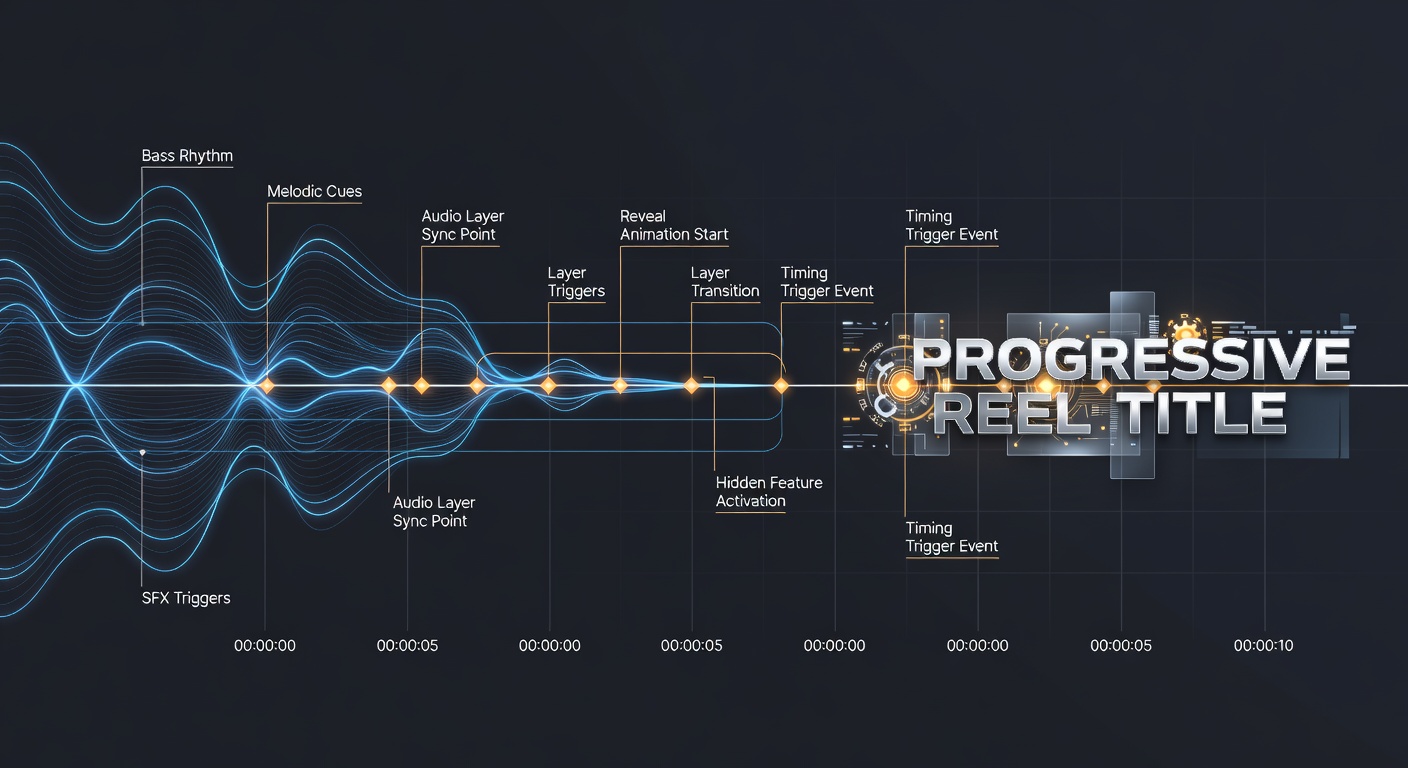
Engineers use timestamped event buses that broadcast audio layer states to the animation controller every four frames. When a tertiary sound effect peaks above a calibrated decibel threshold at the exact moment a reel symbol completes its settle animation, the system registers a match and queues the hidden feature routine. Research indicates that this dual-condition requirement reduces false positives by more than 80 percent compared with single-modality triggers. In May 2026, several studios updated their middleware to support micro-timing offsets as small as two milliseconds, allowing finer control over when progressive multipliers appear during extended reel cascades.
Take one development studio that implemented a cascading reel mechanic where each successive symbol lock generates a distinct percussive layer. The animation timing for the lock effect was deliberately offset by 120 milliseconds after the audio peak, creating a rhythmic tension that signals players an additional hidden level may unlock if the pattern continues. Figures from independent testing facilities confirm that such staggered timing improves feature discovery rates without altering the underlying random number generator.
Case Examples from Certified Progressive Titles
One title released in late 2025 uses a four-layer audio system where the quaternary rumble only engages when three consecutive animation sequences land on identical frame offsets. The hidden vault feature activates solely under this condition, granting access to a separate progressive meter that is otherwise invisible on the main screen. According to documentation from the Nevada Gaming Control Board, the synchronization logic underwent 47 iterative certification cycles to ensure the timing parameters remained consistent across different hardware configurations.
Another example involves a multi-stage progressive where animation speed ramps up across five reel sets. Each acceleration phase carries its own audio layer that modulates in pitch. When the combined pitch shift and frame-rate increase cross a joint threshold, the engine reveals a concealed symbol expansion mechanic. Studies conducted at the University of Las Vegas gaming technology program have documented that these coordinated triggers maintain regulatory compliance while expanding the range of discoverable features within a single game session.
Technical Standards and Cross-Platform Consistency
Regulatory frameworks in multiple jurisdictions require that audio-visual synchronization parameters remain identical between desktop and mobile builds. Certification labs therefore test timing accuracy on devices with varying refresh rates, confirming that hidden feature triggers activate within the same millisecond window regardless of hardware. The Australian Communications and Media Authority has published technical guidelines that recommend embedding redundant timing checks in both audio and animation subsystems to guard against drift caused by operating system updates.
Conclusion
Audio layers and animation timing function as interdependent systems in progressive reel titles, where each element supplies one half of a dual-condition gate that controls access to hidden features. Developers continue to refine micro-timing parameters and layer priority structures, supported by certification standards that verify consistency across platforms and jurisdictions. These coordinated mechanisms expand the functional depth of progressive games while maintaining the technical integrity required by regulatory bodies.