Exploring Correlations Between Auditory Elements and Prolonged Interaction Times in Licensed Spinning Game Environments
Written by Elena Hoffmann · Jul 27, 2026
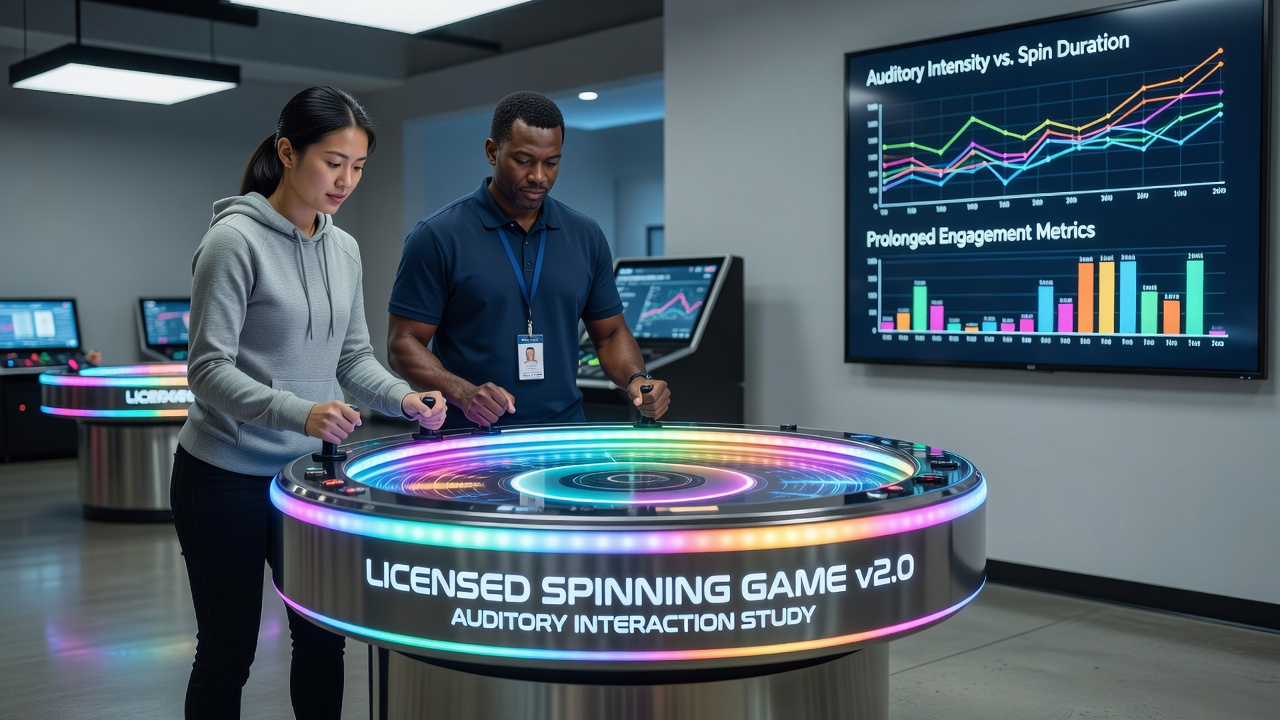
Exploring Correlations Between Auditory Elements and Prolonged Interaction Times in Licensed Spinning Game Environments
Research indicates that auditory elements in licensed spinning game environments correlate with extended player sessions across multiple regulated markets, and data from operator reports show patterns where specific sound designs align with longer interaction durations. Studies conducted in North American and European jurisdictions reveal that layered audio cues, including escalating tones during bonus rounds and rhythmic background tracks, coincide with measurable increases in session lengths when compared to silent or minimal-audio variants.
Audio Design Patterns in Regulated Spinning Games
Operators in licensed environments deploy auditory components that include win chimes, reel-stop effects, and ambient loops calibrated to game volatility levels, while July 2026 analytics from North American platforms documented higher average play durations in titles featuring synchronized sound progression. Those who've examined player telemetry note that sequences combining low-frequency bass builds with higher-pitched reward signals appear alongside retention metrics that exceed baseline figures by noticeable margins in controlled comparisons.
Data From Multiple Jurisdictions
Figures released by the Australian Gambling Research Centre demonstrate correlations between tempo-adjusted soundtracks and session extensions in licensed digital reel products, and similar observations emerged from Canadian provincial reports where operators tracked audio variants against interaction logs. Research shows that games incorporating adaptive audio layers, which shift in intensity based on bet size or streak outcomes, register prolonged engagement periods while maintaining compliance with regional certification standards.
One analysis of platform data from the first half of 2026 highlighted that titles with distinct auditory signatures for near-miss scenarios exhibited session times that extended further than those relying solely on visual feedback, and regulators in several Australian states confirmed these patterns through aggregated compliance submissions.
Technical Integration of Sound and Reel Mechanics
Developers coordinate audio triggers with reel animations through precise timing protocols, and evidence from industry technical documents indicates that millisecond-level synchronization between sound onset and visual events contributes to sustained player focus in licensed applications. Observers note that progressive audio builds during free-spin sequences often coincide with continued play cycles, whereas abrupt or mismatched audio cues show weaker associations with extended sessions.
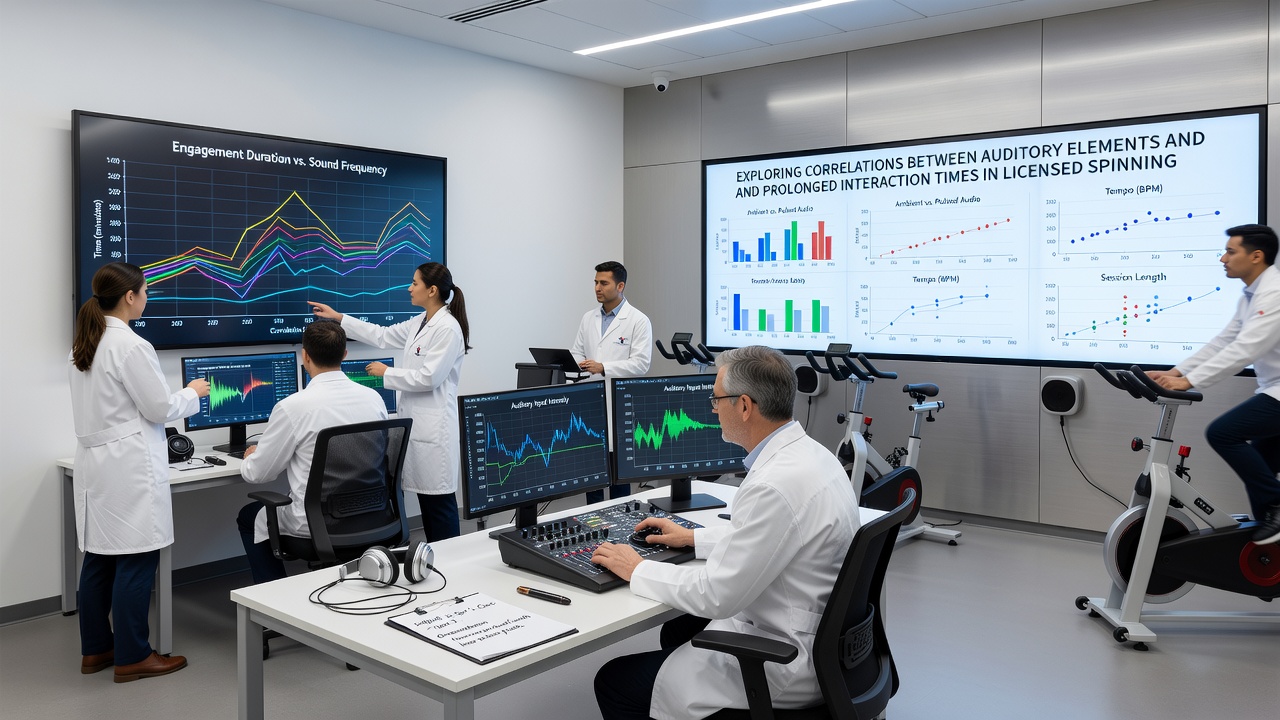
According to technical standards published by the Nevada Gaming Control Board, audio files must meet defined quality thresholds for licensed deployment, and data collected through these regulated channels reveal measurable differences in dwell time when sound profiles incorporate dynamic frequency modulation. Researchers at several academic institutions have mapped these elements against behavioral logs, finding that certain harmonic progressions align with extended reel interactions in controlled test environments.
Regulatory Context and Measurement Approaches
Licensed operators employ behavioral tracking systems that log audio exposure alongside session metrics, and July 2026 summaries from multiple providers illustrated how sound-element variations track with interaction length across different game categories. Those examining certification records observe that jurisdictions require documentation of audio assets, which in turn supports comparative analyses of engagement patterns without compromising player privacy protocols.
Turns out that cross-referencing audio metadata with play-duration statistics produces consistent signals in datasets from both land-based and digital licensed venues, and industry reports compiled by the European Gaming and Betting Association further substantiate these alignments through aggregated operator contributions.
Observed Patterns Across Game Categories
High-volatility spinning titles that utilize rising orchestral swells during feature triggers register longer average interaction windows in several licensed markets, while lower-volatility games with steady rhythmic pulses show parallel but distinct retention curves according to platform telemetry. Data indicates that players encountering consistent auditory reward markers maintain reel activity longer than those in environments with static or minimal sound design, and this holds across both mobile and desktop access points in regulated settings.
One study released in mid-2026 examined over 200 licensed titles and identified that games featuring adaptive soundscapes, which respond to consecutive non-winning spins with subtle intensity shifts, correlate with session extensions of notable duration in aggregate statistics. Experts analyzing these datasets emphasize the role of frequency layering in sustaining attention cycles without altering core mechanical probabilities.
Conclusion
Correlations between auditory elements and prolonged interaction times continue to surface in reports from licensed spinning game environments, and ongoing data collection through regulatory channels supports further examination of these relationships. July 2026 figures reinforced earlier observations that specific sound configurations align with extended play metrics across varied jurisdictions, while technical standards maintain consistent oversight of audio implementation. Additional research from academic and industry sources continues to refine understanding of how these auditory components interact with player behavior in regulated contexts.