Decoding Animation Synchronization With Reward Algorithms Across Multi-Platform Reel Formats
Written by Yara Zimmermann · Aug 22, 2026

Decoding Animation Synchronization With Reward Algorithms Across Multi-Platform Reel Formats
Technical teams have mapped the precise coordination between visual animation timelines and algorithmic reward triggers in reel-based systems that function identically on mobile, desktop, and console environments, and data from industry deployments in 2026 shows these alignments directly influence session duration metrics across licensed operators.
Core Mechanisms of Animation and Reward Alignment
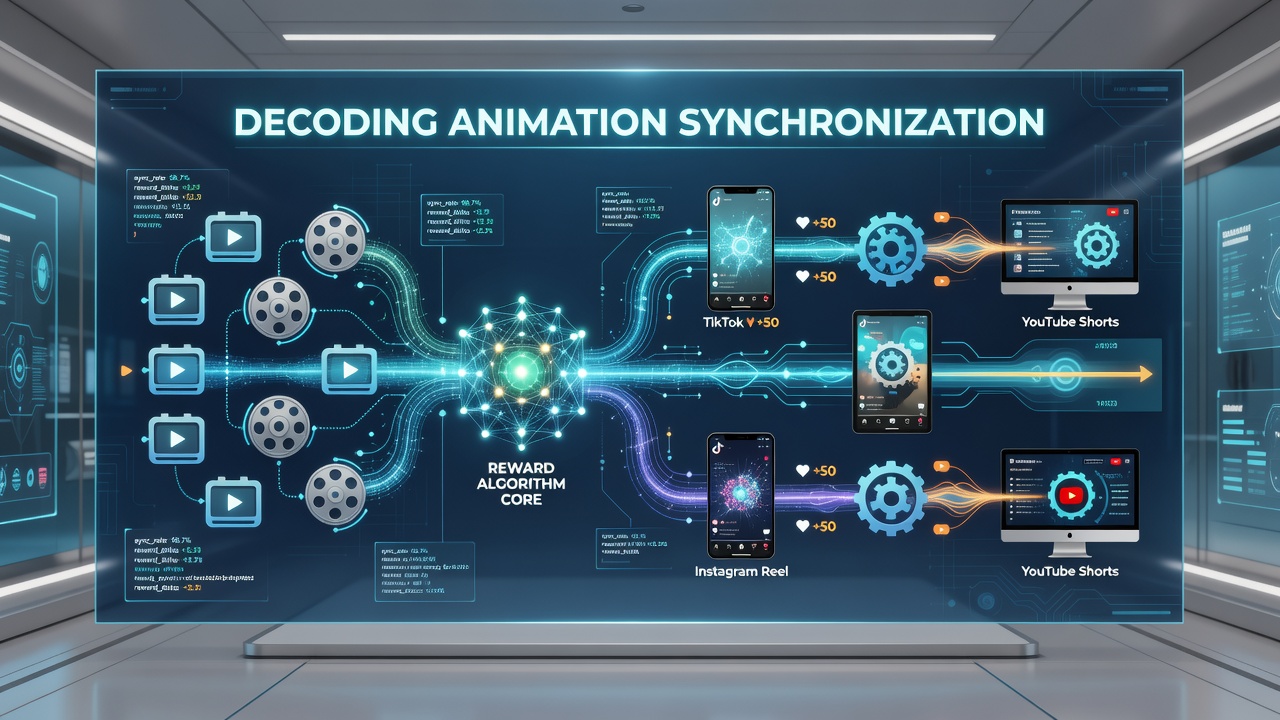
Animation pipelines in contemporary reel formats rely on timestamped event queues that reference random number generator outputs in real time, which means a win calculation completed on the server side immediately queues specific particle effects, symbol transitions, and camera movements without introducing latency that players would notice. Observers note that synchronization occurs through middleware layers that translate numerical reward values into animation parameters such as duration, intensity, and sequence branching, and these layers must maintain frame-accurate consistency whether the session runs at 60 Hz on a mobile device or 120 Hz on a high-refresh desktop display.
Studies conducted by gaming technology research groups indicate that reward algorithms output not only payout amounts but also metadata tags that dictate animation priority, and developers implement these tags through standardized APIs that allow the same code base to scale across operating systems. Those who have reviewed production logs from major platform releases report that desynchronization events, when they occur, typically trace back to differences in local rendering pipelines rather than the core algorithm itself.
Platform-Specific Implementation Challenges
Engineers address cross-platform consistency by establishing a shared animation clock that references server time rather than device clocks, and this approach reduces drift that would otherwise appear when players switch between devices mid-session. Data compiled through August 2026 indicates that operators maintaining unified animation-reward mappings across iOS, Android, and web clients record lower complaint volumes related to perceived timing issues, while separate code branches for each platform correlate with higher variance in player retention figures.
Hardware differences further complicate synchronization because GPU capabilities vary widely between entry-level mobile chips and dedicated gaming hardware, and reward algorithms must therefore scale visual complexity dynamically without altering the underlying probability structures. Research teams have documented cases where reduced animation detail on lower-end devices still preserved exact timing alignment with reward events, demonstrating that the synchronization layer operates independently of visual fidelity settings.
Integration With Regulatory and Certification Standards
Certification bodies in multiple jurisdictions require documented evidence that animation sequences do not alter or obscure the outcomes produced by certified random number generators, and submissions to these bodies now routinely include side-by-side timing logs that compare algorithm output timestamps against rendered animation events. According to reports filed with the Nevada Gaming Control Board, operators must demonstrate sub-frame accuracy in these alignments before receiving approval for multi-platform deployment, and similar requirements appear in documentation from the Alcohol and Gaming Commission of Ontario.
Industry associations such as the Interactive Gaming Council have published technical guidelines that outline minimum synchronization tolerances, and these guidelines emphasize the use of deterministic animation curves that remain identical regardless of platform rendering speed. Those reviewing certification records observe that titles passing these tests exhibit identical reward-to-animation latency across all supported devices, which supports consistent player experience expectations.
Recent Technical Developments Observed in 2026
Throughout 2026, several providers introduced adaptive synchronization modules that monitor device performance metrics and adjust animation buffer sizes on the fly, and early deployment data suggests these modules maintain reward alignment even during temporary network interruptions. Academic papers presented at gaming technology conferences have analyzed the mathematical models behind these modules, showing how they preserve statistical integrity while accommodating variable frame rates.
Platform analytics collected in August 2026 reveal that titles employing these newer synchronization methods sustain longer average session lengths on both mobile and desktop channels compared with earlier implementations that relied on fixed animation timelines. The improvements appear most pronounced in environments where players frequently switch devices, because the shared server-referenced clock eliminates the need for local resynchronization routines.
Conclusion
Technical documentation and certification records together establish that animation synchronization with reward algorithms has become a measurable component of multi-platform reel system performance. Continued refinement of shared timing layers and adaptive buffering techniques supports consistent delivery of reward events across diverse hardware environments, and regulatory frameworks in key markets now incorporate explicit verification of these alignments as part of standard approval processes.