Behavioral Tracking Tools Reshape How Reel Sequences Adapt to Individual Play Patterns in Licensed Environments
Written by Yara Zimmermann · Jun 22, 2026
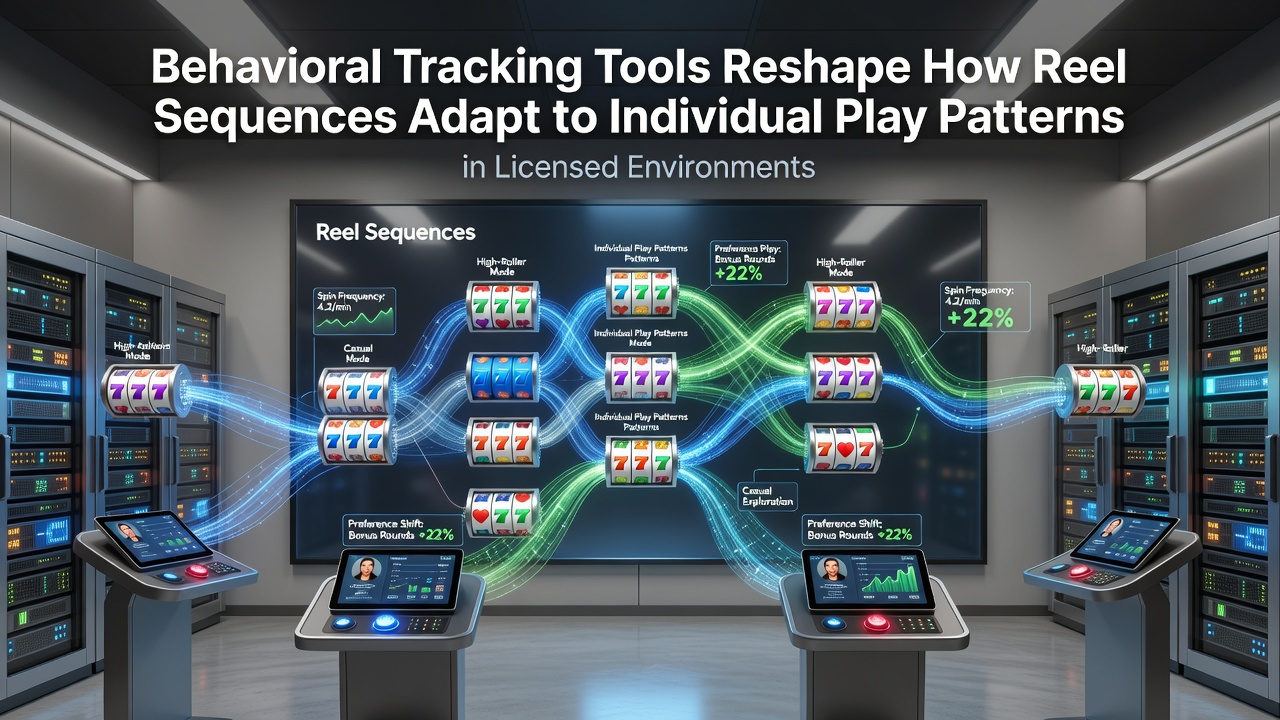
Behavioral Tracking Tools Reshape How Reel Sequences Adapt to Individual Play Patterns in Licensed Environments
Behavioral tracking tools now monitor session data in real time across licensed casino platforms, and these systems feed information directly into reel sequence generators that adjust symbol frequency, bonus triggers, and payout pacing based on observed player habits. Data from regulatory filings in multiple jurisdictions shows that operators deploy machine learning models to categorize play styles into clusters such as high-frequency short sessions or extended low-stake explorations, then modify reel outcomes within predefined mathematical boundaries set by licensing rules.
Operators collect metrics including spin intervals, bet size variations, and feature engagement rates, while algorithms compare these inputs against historical patterns stored in secure databases. When a player exhibits consistent preference for certain mechanics, the system shifts reel weightings so that matching symbols appear more often during that session without altering the overall return-to-player percentage approved by regulators. This process stays confined to parameters audited during licensing reviews, and authorities in states like New Jersey require monthly reports detailing how adaptations remain within certified RNG specifications.
Core Mechanisms Behind Pattern Recognition
Pattern recognition begins with timestamped logs that capture every interaction from login to cashout, and these logs feed into supervised learning models trained on anonymized datasets spanning millions of sessions. Researchers at institutions studying digital gaming note that models identify signals such as repeated max-bet attempts after losses or sudden switches to lower denominations, then trigger reel adjustments that extend feature rounds or increase scatter appearances accordingly. The adaptations occur server-side, so players see only the resulting reel spins rather than any visible code changes.
June 2026 compliance updates from the Nevada Gaming Control Board emphasized that all adaptive systems must undergo third-party testing every quarter to confirm no deviation from approved volatility curves. Similar requirements appear in reports issued by the Australian Communications and Media Authority, where operators must demonstrate that personalization layers do not create unfair advantages or encourage prolonged play beyond voluntary session limits set by users.
Integration With Licensed Regulatory Frameworks
Licensed environments impose strict separation between tracking functions and financial transaction systems, which prevents any direct linkage between play patterns and deposit prompts. Regulatory bodies across North America and Oceania mandate that adaptation logic remains transparent during audits, and source code reviews verify that reel sequence changes stay deterministic once a player profile is established. One documented approach involves tiered player segments where casual participants receive slower reel cycles while experienced users encounter quicker feature access, yet both groups operate under identical long-term probability tables.
Industry associations such as the European Gaming and Betting Association have published guidelines that require clear disclosure in terms of service documents when adaptive reels are active. These documents explain that sequence variations respond solely to in-session behavior and reset after logout, ensuring no persistent profile carries over between visits unless players explicitly opt into loyalty programs governed by data protection statutes.
Observed Effects on Session Dynamics
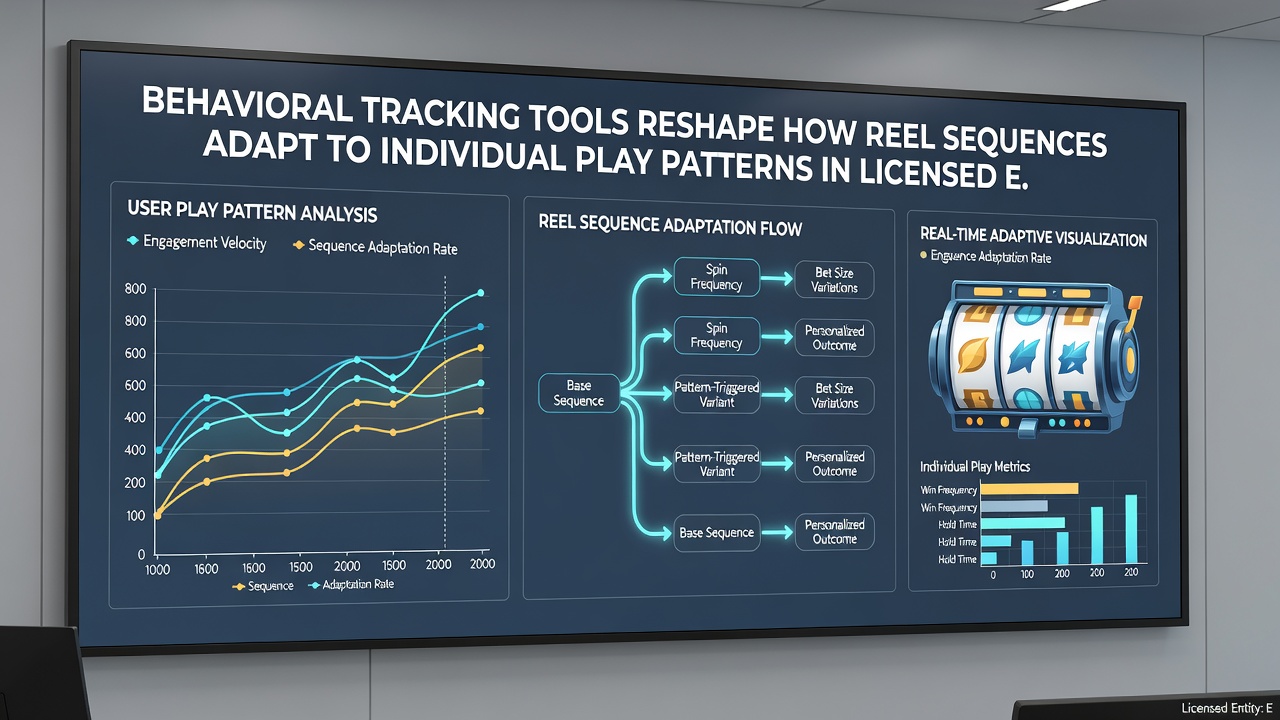
Session data aggregated by platform providers indicates that players whose patterns trigger adaptive reels complete more spins per visit on average than those in control groups without personalization, while total wager amounts remain consistent with pre-adaptation baselines. Observers at gaming technology conferences in early 2026 reported that cascade-style mechanics activate more frequently for participants who previously lingered on losing streaks, creating extended sequences that align with their established interaction rhythms. These shifts occur within fixed probability envelopes, so aggregate revenue figures across large player pools show minimal variance from non-adaptive titles.
Studies conducted through university partnerships with licensed operators reveal that reel adaptations influence exploration of lesser-used paylines when models detect repeated selection of the same betting options. The system responds by weighting those lines higher during subsequent spins, which encourages broader mechanic engagement without requiring players to alter their own strategies. Such findings appear in peer-reviewed papers examining digital entertainment interfaces, and they align with operational logs submitted to oversight agencies in multiple regions.
Future Developments and Compliance Trends
Technology vendors continue refining edge-computing solutions that process behavioral signals closer to the gaming server, which reduces latency between pattern detection and reel response to under 200 milliseconds. Licensing authorities in several jurisdictions now require real-time monitoring dashboards that flag any adaptation exceeding certified thresholds, and these dashboards feed directly into automated compliance alerts. June 2026 saw several operators publish voluntary transparency reports detailing average adaptation rates across their portfolios, a practice encouraged by trade groups seeking to standardize reporting formats.
Cross-border operators must reconcile differing regional rules, since one jurisdiction may permit dynamic scatter frequency while another restricts changes to bonus round triggers only. Technical working groups formed by international associations facilitate knowledge exchange on these constraints, and resulting frameworks help developers embed region-specific flags into their reel engines before deployment.
Conclusion
Behavioral tracking integrated with reel adaptation now forms a standard component of many licensed slot platforms, and the practice continues to evolve under ongoing regulatory scrutiny. Data collected through these systems enables precise alignment between reel behavior and individual session patterns while preserving the certified fairness parameters required by licensing bodies worldwide. As reporting standards mature and technical safeguards strengthen, operators and regulators alike maintain records that document both the scope and the limits of these personalization methods.